IOS vs Android App Monetization! The global smartphone user base is continuously growing, with users spending a significant amount of time using mobile applications. The potential revenue from mobile apps is staggering, with projections indicating that the industry will generate over USD 935 billion by the end of 2023. In this article, we will explore app monetization strategies, with a focus on the differences between iOS (iPhone) and Android applications. Monetizing your app can be a lucrative endeavour, but it’s essential to understand the key factors and distinctions between these two major platforms.
Key Factors in IOS vs Android App Monetization
Before delving into the differences between IOS vs Android App Monetization, it’s crucial to understand the various ways you can generate income from your mobile app:
- Freemium: This strategy allows users to download your app for free but offers a premium version with enhanced features. The goal is to entice users to upgrade to the paid version.
- In-App Advertising: In-app advertising can involve selling ad space to other companies or promoting your products and services within your app. It’s essential to balance ads with the user experience, often combined with a freemium model.
- Free Trial: Offering a limited time for users to access your app, typically lasting between 7 to 60 days. This can be effective for apps designed for frequent, repetitive use.
- Paid Apps: Requiring users to pay upfront for your app. This approach demands a robust marketing strategy to convince users of your app’s value.
- In-App Purchases: This strategy, popular among gaming and other apps, enables users to buy small upgrades or improved experiences within the app.
- Subscriptions: A subscription-based model, akin to Software as a Service (SaaS), offers users the best of both freemium and free trial models. Users can extend functionality by paying regular subscriptions.
Rules for IOS vs Android App Monetization Implementation
When choosing a monetization method, consider the following factors:
- Category of Apps: Different monetization techniques work better for specific categories. For instance, in-app purchases work well for gaming apps, while established brands might opt for a free trial.
- Target Audience: When setting prices, understand user behaviour and expectations and consider demographic and economic factors.
- Competitors’ Moves: Analyze your competitors’ activities and consult with a mobile application development company to stay updated on industry trends.
Differences in App Monetization: iPhone vs. Android
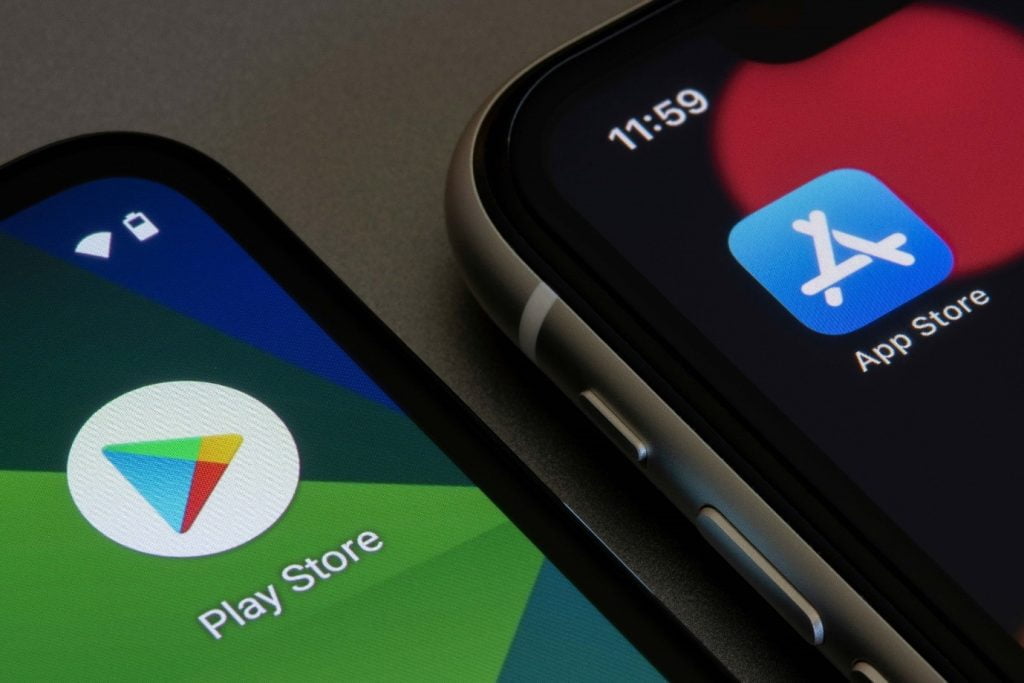
iOS apps tend to generate over 35% more revenue than their Android counterparts. This disparity is due to several key differences between the two platforms:
- User Payment Data: Apple’s App Store boasts over 400 million users with one-click payment systems, making it easier for users to make purchases within apps. In contrast, Android users typically log in with their Gmail accounts and might be less inclined to share financial information.
- Share of Revenue: While Android has a larger market share, iOS users tend to be more active within applications. This leads to iOS having a slightly higher share of app revenue.
- Paid App Monetization: A higher percentage of iOS apps implement paid app monetization strategies, which proves more effective in the iOS ecosystem.
- Ad Monetization in Non-Gaming Apps: Android apps often incorporate ads more aggressively, with 63% of non-gaming Android apps containing ads compared to 25% of iOS non-gaming apps.
- Revenue Differences: iOS users spend almost twice as much as Android users on in-app purchases and freemium offerings, contributing to iOS’s higher revenue.
- In-App Purchases: Customized iOS apps generate more income through in-app purchases, as iPhone users tend to spend more money than Android users.
- Push Notifications: Android excels in push notifications, with 91% of Android apps using them compared to only 44% on iOS devices. iOS has stricter rules for notifications, while Android enables push notifications automatically.
Effective IOS vs Android App Monetization Tips
To maximize your app monetization efforts, consider the following tips:
- Define User Persona and Revenue Goals: Understand your target audience and set clear revenue objectives for your app monetization strategy.
- Identify Target Audience and Engagement Frequency: Study user behaviour and engagement patterns to fine-tune your monetization approach.
- Platform Considerations: Evaluate the pros and cons of iOS and Android for your specific app and consider implementing monetization strategies on both platforms.
- Regular Monitoring: Continuously analyze user engagement and app revenue data to make necessary adjustments to your monetization strategy.
Conclusion
Monetizing your mobile app is a crucial decision in the app development process, with the potential to generate a steady income stream for your business. Understanding the key factors, choosing the right strategy, and recognizing the differences between iOS and Android platforms can significantly impact your app’s success in the competitive app market. By staying informed and adapting to user preferences, you can make the most of the ever-growing mobile app industry.
In a dynamic mobile app landscape, where millions of apps view for users’ attention, mastering the art of app monetization is essential. The choice between iOS and Android platforms brings its own set of challenges and opportunities, making it crucial for app developers to align their strategies with the unique characteristics of each ecosystem. Stay adaptable, responsive to user feedback, and informed about industry trends to ensure your app monetization journey remains profitable and sustainable.