
Cutting Edge Software Development Company in Sydney
About DigiGround
Here at DigiGround, we go above and beyond to help your business succeed. If you are looking for a team of tech experts in Sydney with the sharpest minds in agile custom software development and data driven marketing, then we’d love to hear from you. We have been named “Startup Of The Year” and have received awards for creative web design, mobile application design & development and customized software solutions across multiple industries. We are one of the best custom software development Sydney companies.







Bring Your Ideas To Life With
The #1 Software Development
Company In Sydney
Mobile app development, custom software development, beautiful websites and much more. Best Sydney custom software firm.
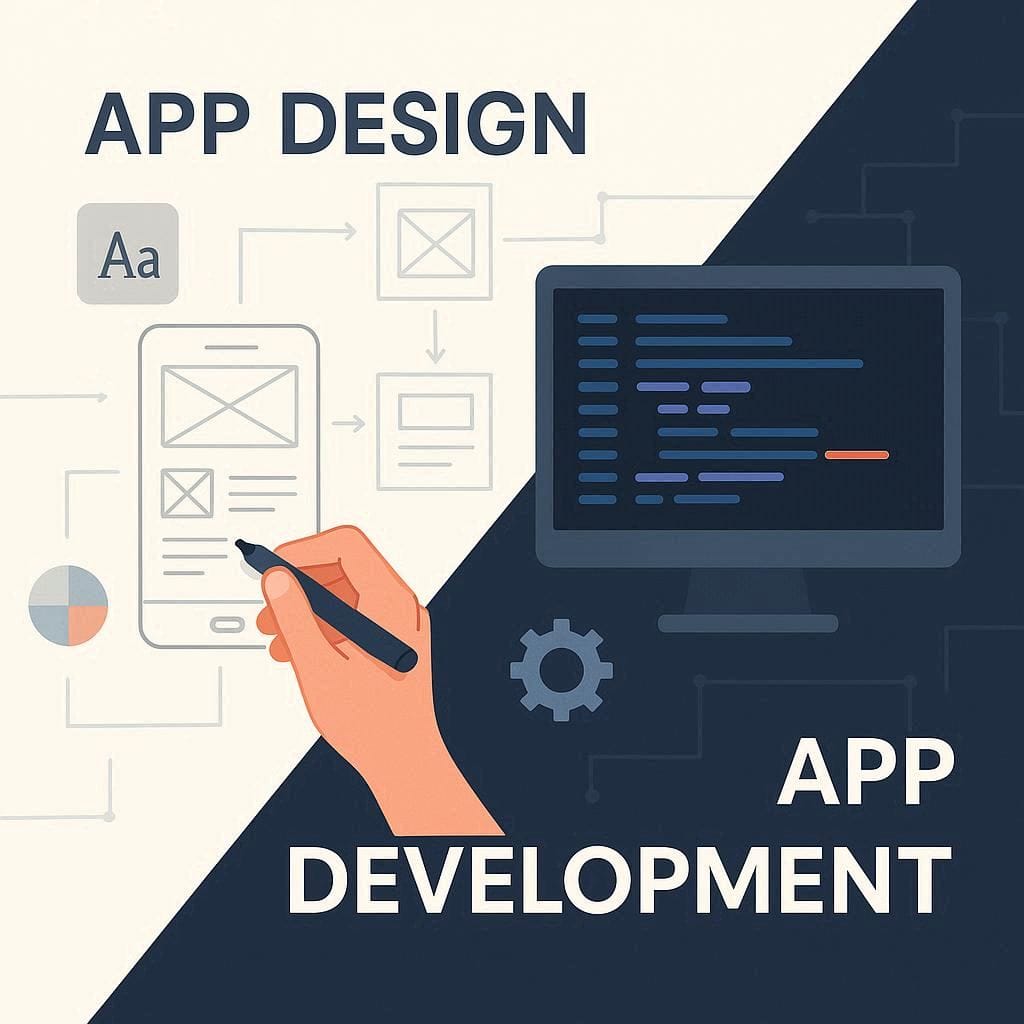
App Development
Complex mobile app development finally simplified.
App & Software Development
We are experts in Monolith, Microservice and Serverless development.
Software Maintenance
Looking for professional ITSM from Sydney? Check our services.
Web Development
Build websites that are fully responsive and serve your core purpose.
Graphic Design
We are an award winning design agency from Sydney for a reason.
Digital Marketing
Generated over 30 million AUD in revenue for our clients in 6 years.
Enterprise & Government Websites
We are a trusted and credible app development agency from Sydney due to our strong commitment.

Meet Our Teams

Amjad Kanche
Managing Director
Amjad Khanche will work with you to add all the elements together, in the right sequence to get the best results for your business.

John Luhr
General Manager
John will make your business dreams come true by working with you on getting you everything you need.
Uncomplicating ITSM and custom software development
– finally
Are you looking for a partner who can ensure hassle free IT Service management and custom software Sydney company without making things difficult for your business? DigiGround is known for achieving streamlined digital solutions for all its partners over the years.


Code your way out
of business challenges
As a reliable mobile app development company in Sydney, we build applications that solve problems and add value to the lives of its users and owners. We use the latest tech stacks for bug free results with a powerful impact.
DigiGround News
Catch up on latest tech industry news and updates regularly.
November 17, 2022
Oktion Account Manager Position
ROL PROFILE 1.1 Strategic: As the Account Manager, you will be responsible for execution and monitoring of all business related activities for Oktion. Working
November 17, 2022
DigiGround Ranked as Top Social Network App Development
DigiGround has been recognized as a Top 30 Social Network App Development Company in 2021 by DesignRush. DesignRush is a B2B marketplace that connects brands
Our Blogs
The most resourceful and actionable tech blog from Australia.





Bespoke Software
Development
As your app and software development partner, DigiGround will be with you every step of the way, from scoping and planning to delivery and beyond. Our multi-award-winning Sydney software development team creates bespoke mobile apps, operational systems and software products for enterprise, SMEs, government, non-profit and funded startups.
Get in touch and transform your business processes today.
